
Why Inconsistent Carriers Create Risk for Fleet Operations
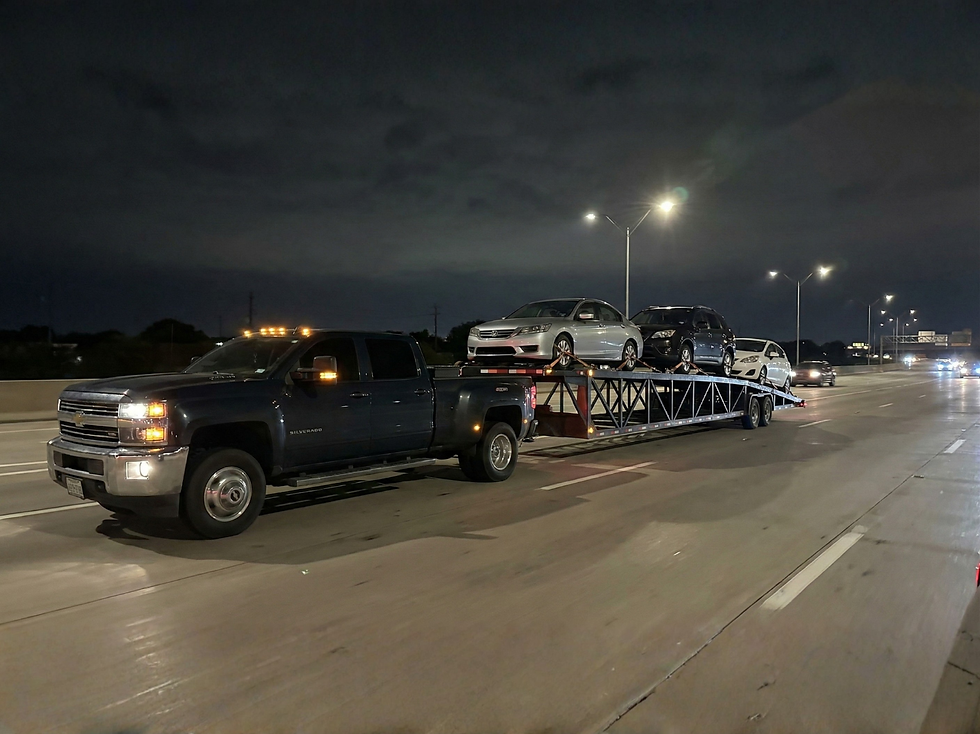
Fleet operators depend on timing, planning and coordination. Vehicle relocation is rarely a one-time event. It is part of a larger system that includes staffing, contracts, service schedules and regional deployment. When carriers are inconsistent, the impact spreads far beyond transportation itself.
Operational risk increases quietly when fleet movement becomes unpredictable.
🚚 Unpredictable Transport Disrupts Deployment Planning
Fleet operations rely on precise scheduling. Vehicles must arrive when teams, customers and locations are ready. When car shipments are delayed or pickup windows change without warning, planning quickly breaks down.
This creates a ripple effect across operations. Teams may be ready to deploy vehicles that have not arrived yet, while other locations may be forced to wait longer than planned. Over time, this unpredictability reduces operational efficiency and increases stress for logistics teams. Reliable scheduling is essential for smooth fleet deployment.
📞 Communication Gaps Increase Operational Pressure
Clear updates are critical for fleet coordination. When updates arrive late or are inconsistent, fleet managers must spend extra time tracking vehicles and adjusting schedules.
Instead of focusing on planning and growth, teams are forced into reactive problem solving. Even when hauling a car is completed successfully, the uncertainty during transit creates unnecessary pressure and lost productivity.
🧭 Delays Increase Downtime and Lost Revenue
Fleet vehicles generate value only when they are in service. Every extra day in transit delays deployment and reduces utilization. Unreliable carriers often lead to:
Missed deployment windows
Delayed service launches
Reduced operational capacity
These delays may seem small individually, but they add up quickly across multiple vehicles and locations.
📉 Administrative Workload Grows Over Time
Working with inconsistent carriers increases the amount of coordination required for each move. Insurance verification, follow-ups, scheduling adjustments and problem resolution become routine tasks.
This additional workload diverts attention from higher-value operational planning and slows overall efficiency. Long-term partnerships reduce this administrative friction and allow teams to focus on strategic priorities.
🤝 Consistency Reduces Risk Across Regions
Fleet operations often span multiple states or regions. Consistency becomes even more important when coordinating across distance and time zones. Working with familiar carriers improves:
Scheduling reliability
Communication flow
Confidence in delivery timelines
Consistency helps fleet operators maintain stable operations as they grow.
🚛 How DisCarry Supports Fleet Reliability
DisCarry operates as a professional auto transportation company focused on predictable scheduling and clear communication. As a direct car hauler, we support reliable car shipments and structured dispatch coordination nationwide. Our goal is to help fleet operators reduce uncertainty, improve planning and keep vehicles moving efficiently across regions.


Comments